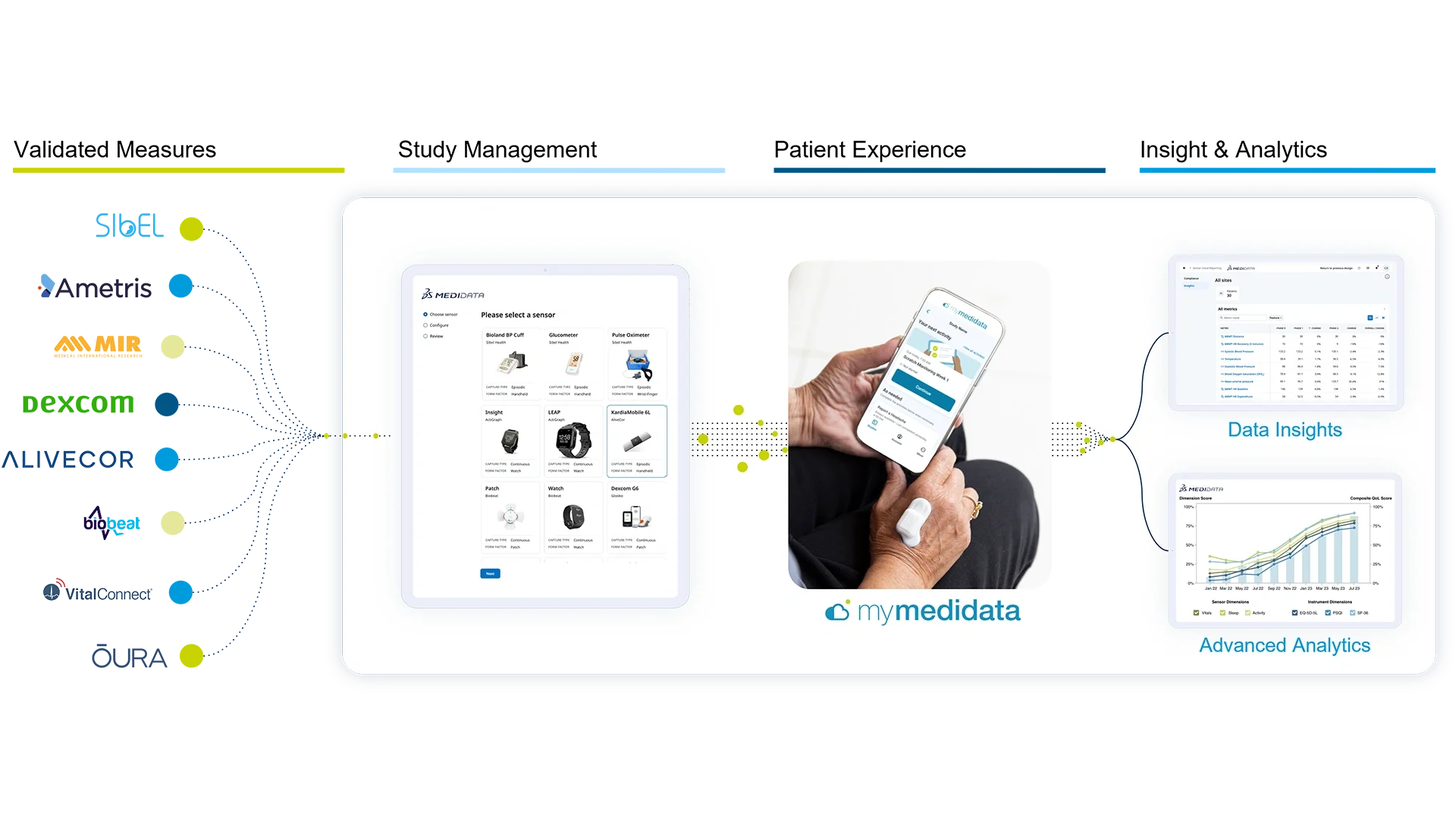
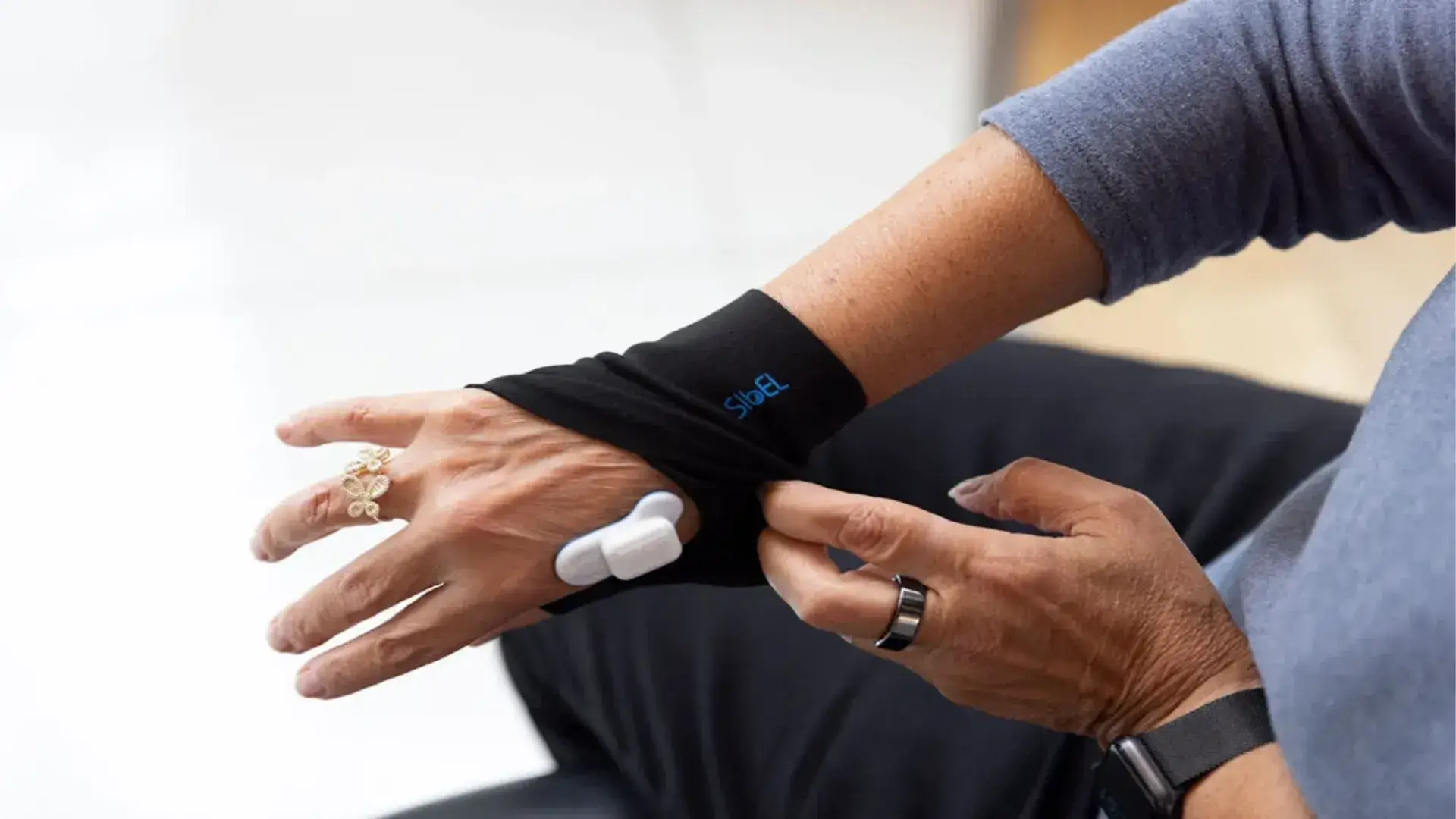
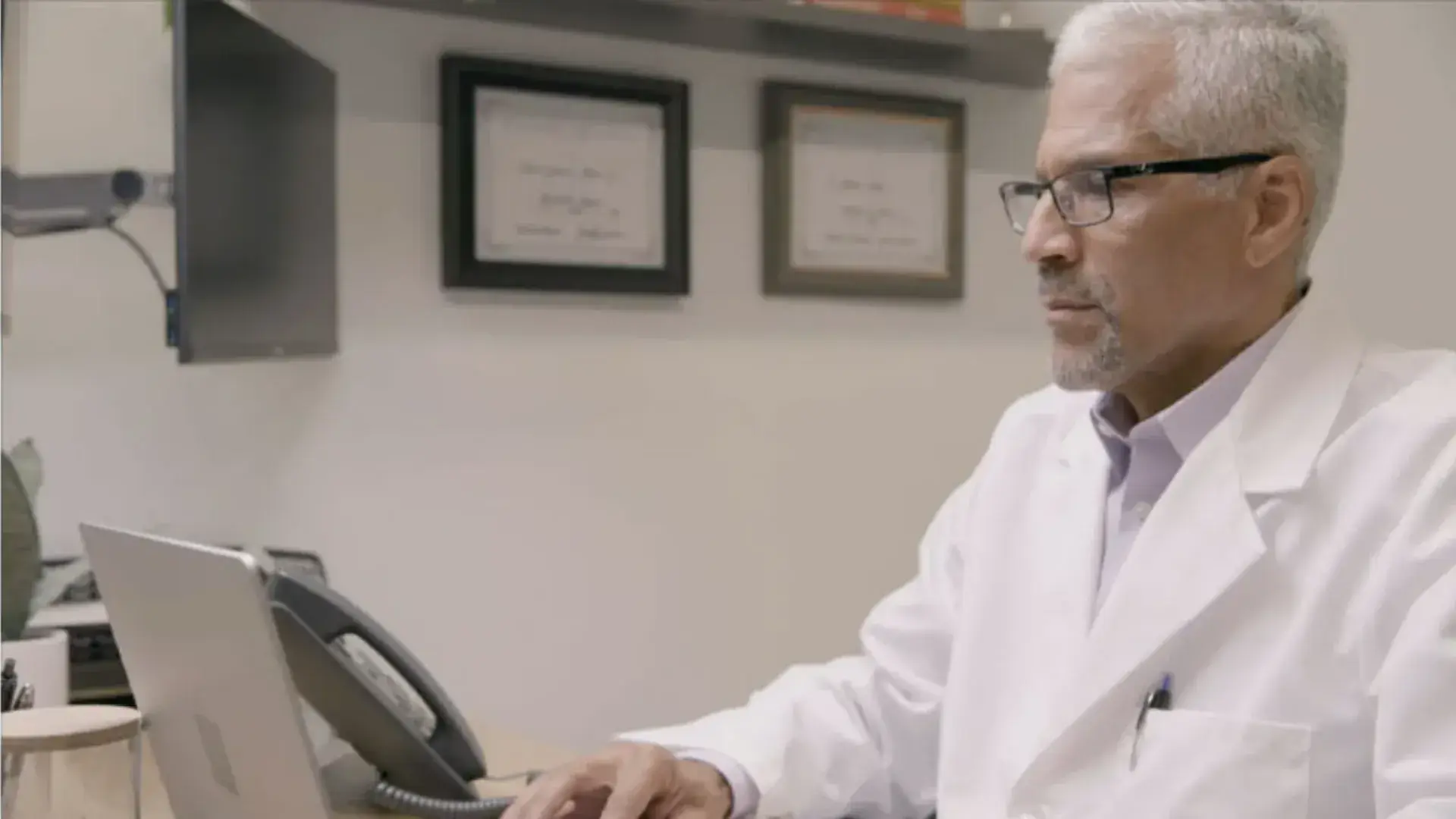
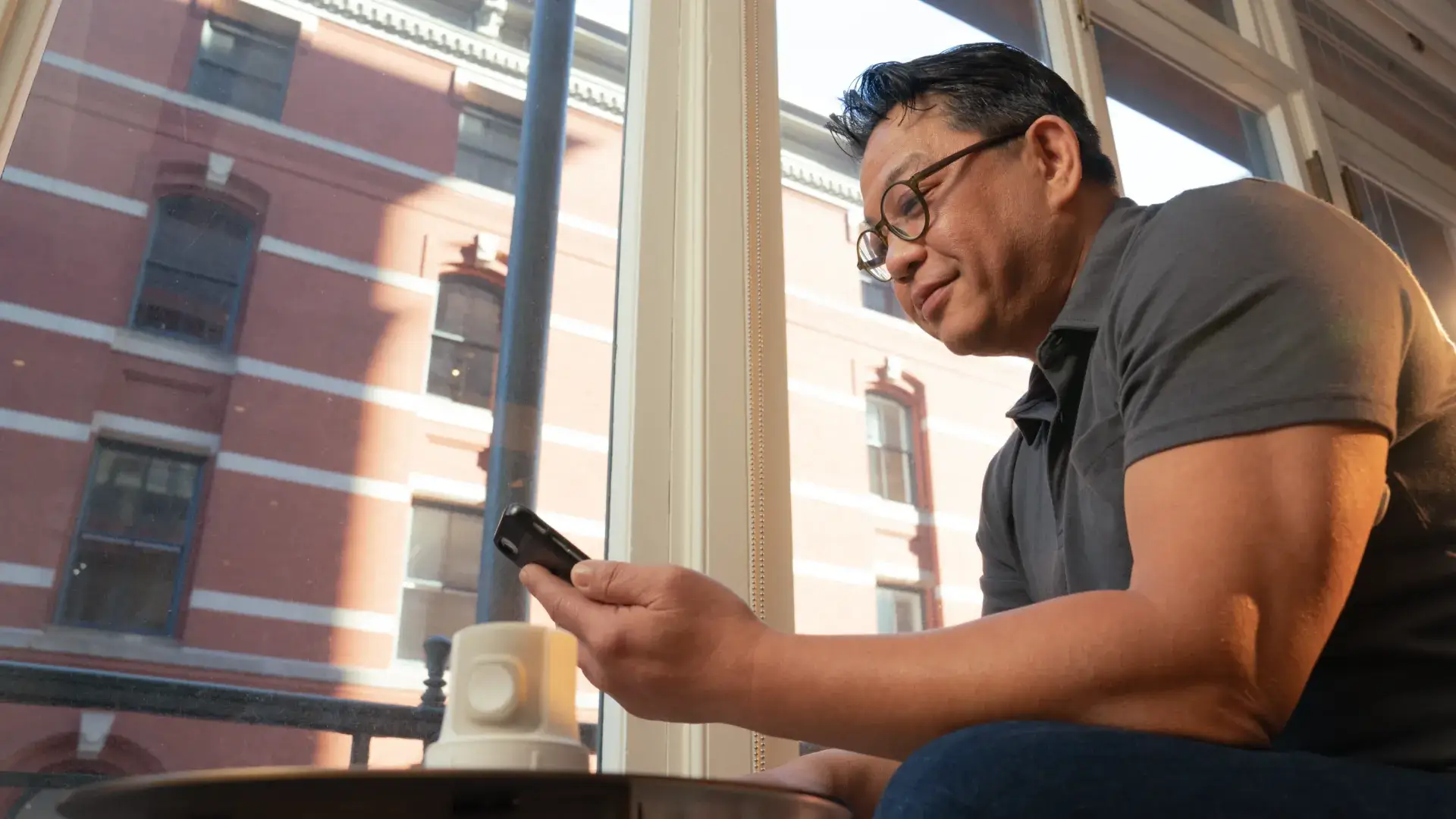
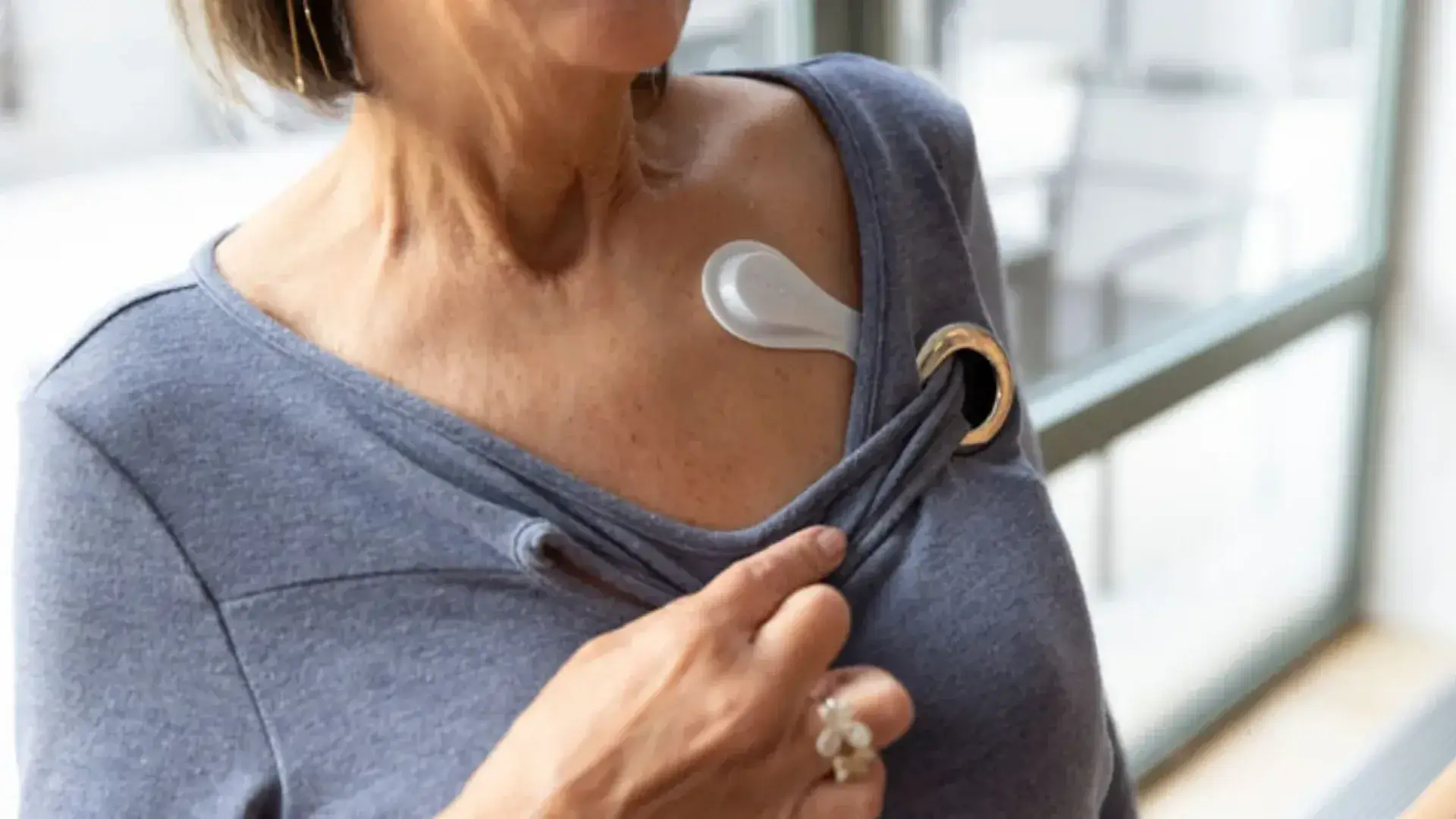
Video transcript: Doctor. Aliyah is a physician at Gray Memorial. He's an oncologist with twenty years of traditional clinical trial experience. He has a busy practice, balancing his clinical trial visits with his ever growing patient population. His site was recently selected to join a basal cell carcinoma research study. The research study is set to run as a decentralized clinical trial where patients will be engaged virtually for some parts of the trial. Using Medidata technology, his staff will have one system to view all patient data, eliminating the need for learning multiple applications, each with its own login. By putting patients and sites on the same platform, study teams can easily connect with patients remotely while managing data with fewer integrations. This enables Doctor. Aliyah and his staff to focus on patient care and reduces manual data reentry. One morning, Doctor. Aliyah's study coordinator, Casey, receives a notification that a new patient named Lisa has matched the study through My Medidata registries. Casey reviews Lisa's electronic medical records and self reported information with Doctor. Aliyah, and they decide to set up a video visit to meet with Lisa and discuss the details of the study. With such a busy practice, Doctor. Aliyah is relieved to be able to see a new patient remotely, especially since Lisa lives two and a half hours away from his clinic. Doctor. Aliyah explains the consent process to Lisa and asks her to watch the video and then discuss the study opportunity with her loved ones. Through Medidata's unified cloud based platform, Doctor. Aliyah is able to see a complete view of Lisa's health information in a single location. This simplifies the prescreening process and allows Doctor. Aliyah to make recommendations to Lisa more easily. A few days later, Doctor. Aliyah receives a notification that Lisa has electronically signed her consent form through her My Medidata account. Doctor. Aliyah countersigns the consent form electronically and sends Lisa a copy through My Medidata. Now that Lisa is a participant in the study, Doctor. Aliyah meets with her according to the protocol schedule of events, but in a decentralized model. Some visits take place at the hospital and some visits Lisa completes at home, with medication being shipped directly to her using Medidata's platform. Using MyMedidata, Doctor. Aliyah can monitor her basal cell carcinoma progress through measurements of her uploaded tumor images and sensor data without the need for Lisa to come into the office. With this consistent and simple access to real time data, Doctor. Aliyah and Lisa feel confident this clinical trial is a good option for Lisa. One day, Carmilla, a data manager, and Felix, the trial manager from Carbon Pharma, call Casey to discuss discrepancies in patient diary responses. Applying advanced analytics to the study data as it's collected in real time, Medidata's centralized monitoring tool automatically identified outliers in the patient diary responses and alerted Carmella to a potential issue. It appears that several patients had not been completing their patient diary responses correctly and were not answering key questions. As a result, Doctor. Aliyah and Casey feel more participant training is needed and contact patients in the study, including Lisa, to review diary responses through a video visit. By using this technology, Lisa and other patients were able to confirm their health status without the need to travel to a study site, and the study data quality was not compromised. After her last study visit, Doctor. Aliyah thanks Lisa for her participation and reminds her to stay engaged with her registry to receive her study data and other updates and learn about new clinical trial opportunities.