





Protocol Optimization

Protocol complexity and limited visibility into real-world performance make it hard to design trials that are both scientifically rigorous and operationally feasible.

Medidata Protocol Optimization uses AI trained on proprietary, cross-industry data to evaluate planned protocols against how similar studies have performed—allowing you to spot inefficiencies early and predict enrollment and retention risks before they impact your trial.

Download Overview

Proactively Optimize Operational Outcomes

By combining protocol digitization, predictive AI, and the industry’s largest clinical dataset, teams can create a Virtual Twin of the protocol to simulate operational impact early—so you can design scientifically rigorous studies that sites can successfully deliver and patients actually want to join.

Pressure-test design changes
Benchmark schedule of assessments
Mitigate dropout risk
Right-size exploratory endpoints
Balance visit-level burden
Instantly digitize protocols to USDM standard

Why Medidata Protocol Optimization?

Design with Confidence

Balance Scientific Rigor and Operational Execution

Protocol decisions shape trial performance long before the first patient enrolls.

Use cross-industry benchmarks and AI predictive modeling to evaluate design choices early.

Simulate changes to understand their impact on enrollment, retention, cost, and site and patient burden—so you can maximize operational feasibility from the start.


Download Fact Sheet

Featured Resource


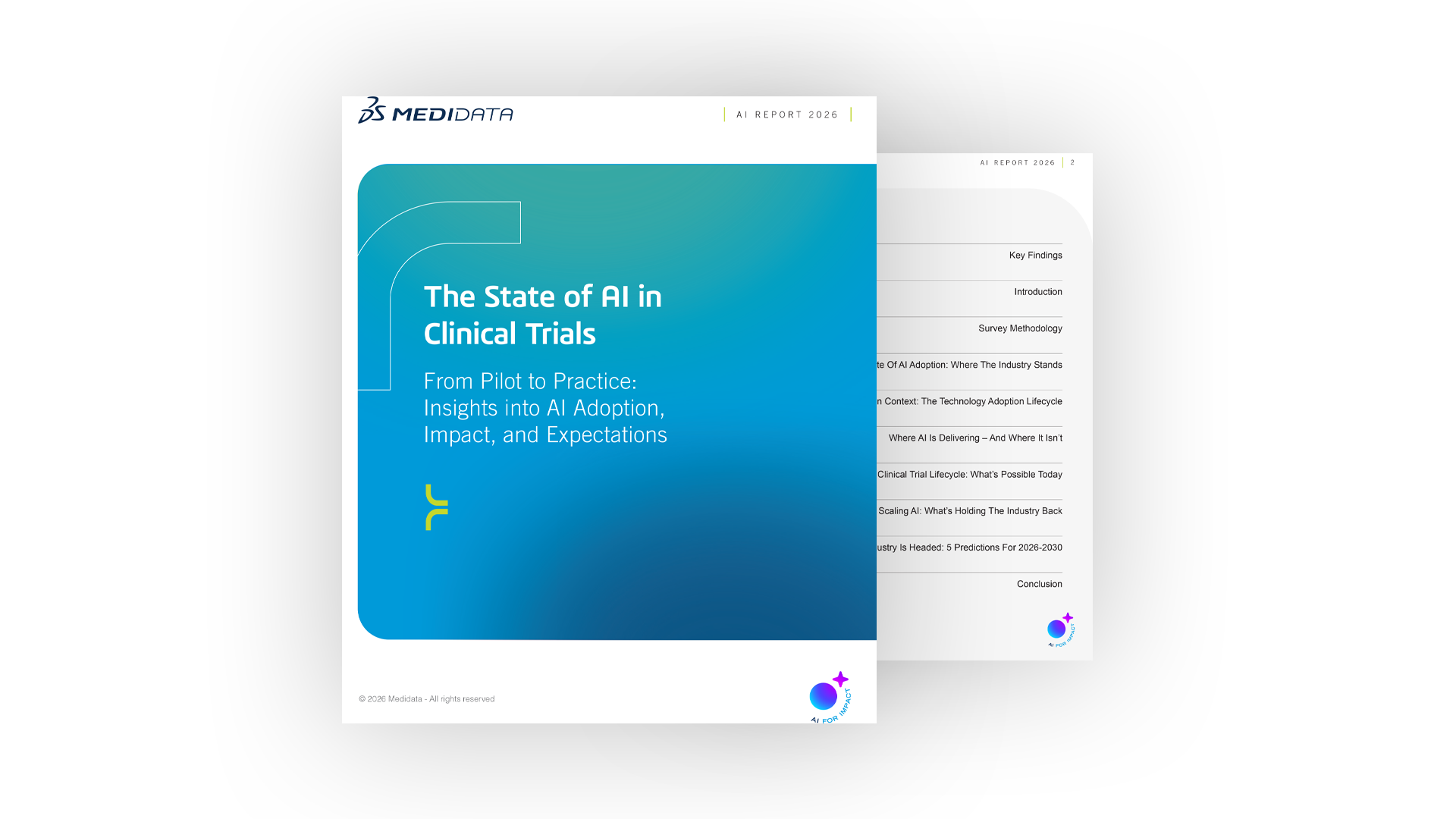
2026 State of AI in Clinical Trials Report

Your peers are all in on AI for protocols. 90.5% of organizations are using or plan to use AI for protocol design and optimization. 

Download now for adoption trends and more insights.
Get Report

More Resources


Explore deeper guidance and related materials.

View All Resources

FAQ

The solution allows you to confidently assess the operational feasibility of your protocol before it’s finalized. By leveraging standardized, cross-sponsor data to identify risk factors early, teams can account for activities that may negatively impact enrollment or drop out up front, significantly reducing the need for costly amendments later in the study lifecycle.

Yes. Protocol Optimization uses AI-powered predictive modeling to run simulations that forecast how specific design elements (such as procedures and visit frequency) will affect operational outcomes. This allows you to see the predicted impact on enrollment rates, dropout rates, and timelines, helping you identify and mitigate risks proactively.

Yes. You can benchmark your protocols against real trial data to accurately quantify patient and site burden at the activity, visit and study level. This capability enables you to identify likely cost drivers and present leaner, less burdensome trials to sites, which directly improves recruitment and retention outcomes.

In close partnership with our Patient Insights Board, Medidata has developed a proprietary patient burden index (PBI) metric for ~5K unique procedures. As the industry’s most comprehensive, data-driven assessment of patient burden, the PBI evaluates the following components:

-          Pain
-          Invasiveness
-          Harmful Exposure
-          Duration
-          Anxiety
-          Items

You can reference our PBI Factsheet for more detailed information.

The solution generates insights from one of the industry’s largest datasets, comprising cross-industry global clinical trial data from over 38,000 trials and 12 million patients. This broad data foundation allows the AI to transform site, patient, and indication-level data into clear, actionable scenarios for your specific study.

Yes. Medidata offers a variety of training options for our clients and partners, including both self-paced and instructor-led courses. To learn more about available courses and to access our resources, please visit the Medidata Global Education and Training section.

Let's Talk

Have questions? Want to explore pricing or next steps? Connect with a specialist today. Our team is here to help.

Contact Us