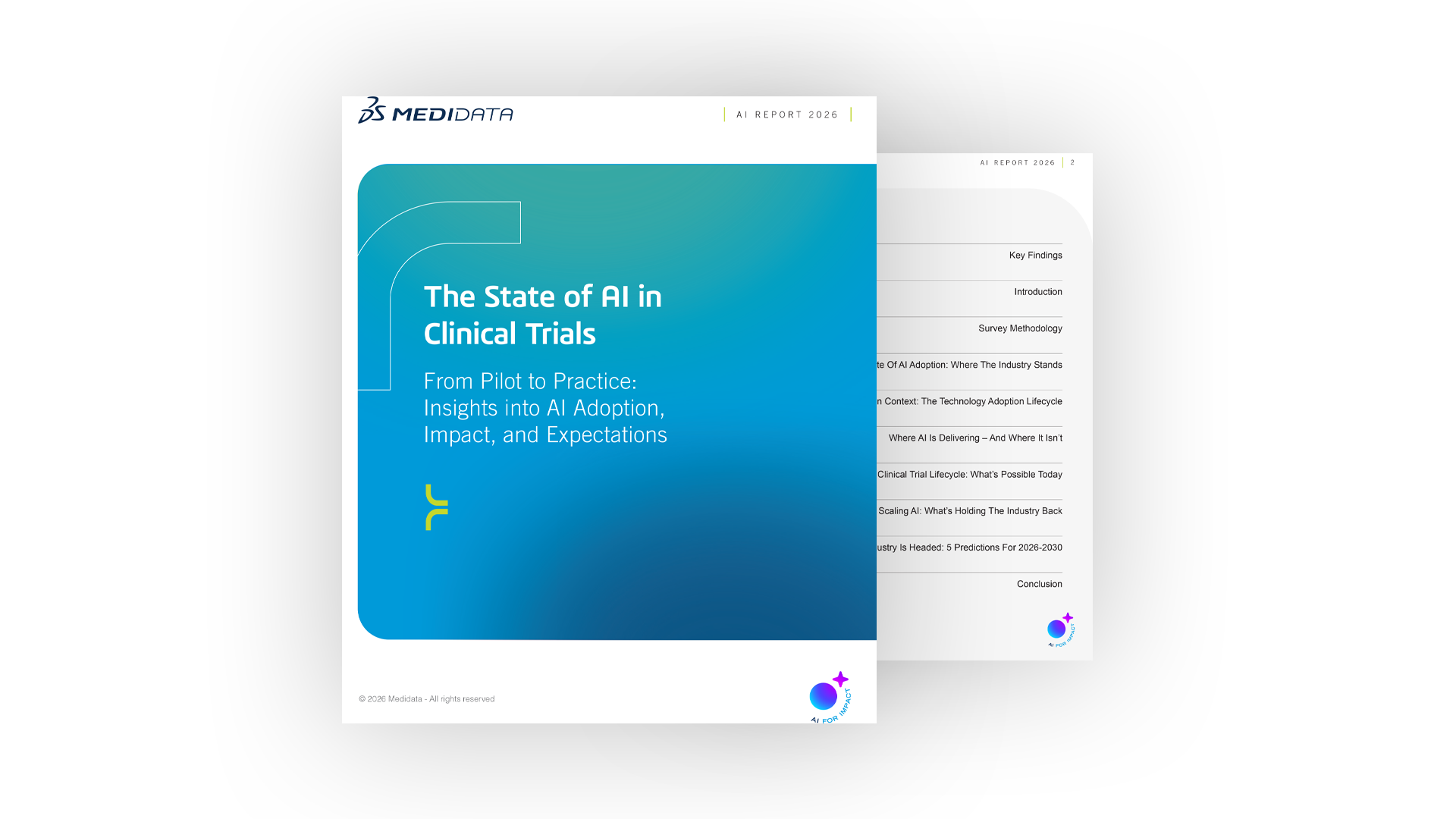
The clinical research industry is no longer debating whether to use AI, it’s figuring out how to scale it. Medidata’s second annual survey, conducted by Everest Group, reveals a widening gap between organizations that adopted AI early and everyone else. The impact is clear: those with 18+ months of experience report improvements in trial timelines (72.9%) and protocol deviation reduction (67.5%) while the broader industry trails behind. With 92% of respondents increasing AI investment and 82% expecting 2-3x returns, optimism around AI’s potential is strong across the board. The organizations that overcome scaling barriers now will be the ones who see meaningful results and set the pace moving forward.
“By tracking these metrics annually, we are providing the life sciences industry with a consistent benchmark and a longitudinal roadmap to help bridge the execution gap and turn AI’s potential into predictable clinical outcomes. The 2026 data reveals that we have moved past the era of speculation. We are now seeing a clear performance gap between those who are scaling AI and those stalled by legacy infrastructure.”
– Lisa Moneymaker, Chief Strategy Officer, Medidata
What’s Inside the 2026 Report
- The Early Adopter Advantage: See where experienced organizations are reporting above expectation results.
- Where AI Delivers Today: Discover where AI is moving the needle, with 86.5% seeing improvements in high-volume, rules-based workflows.
- Navigating Barriers to Scale: Learn the hurdles holding organizations back from enterprise-wide implementation, and what early adopters did to overcome them.
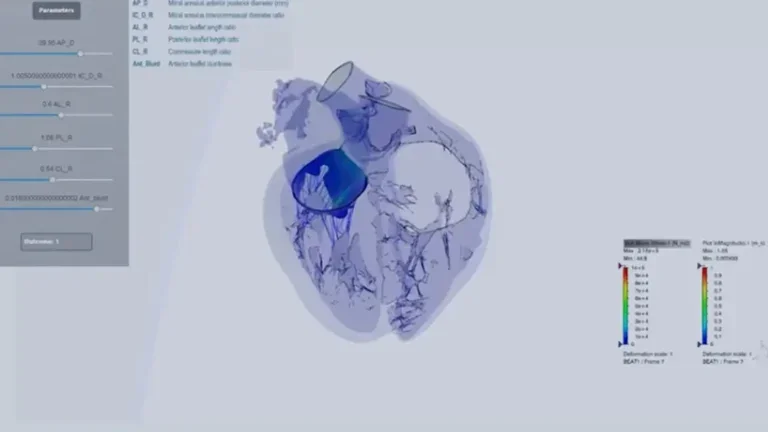
- From Automation to Prediction: Gain insights on the move toward protocol simulation, virtual twins, and autonomous agents.
Download the report to see where the industry’s seeing AI impact and what it takes to close the scaling gap.