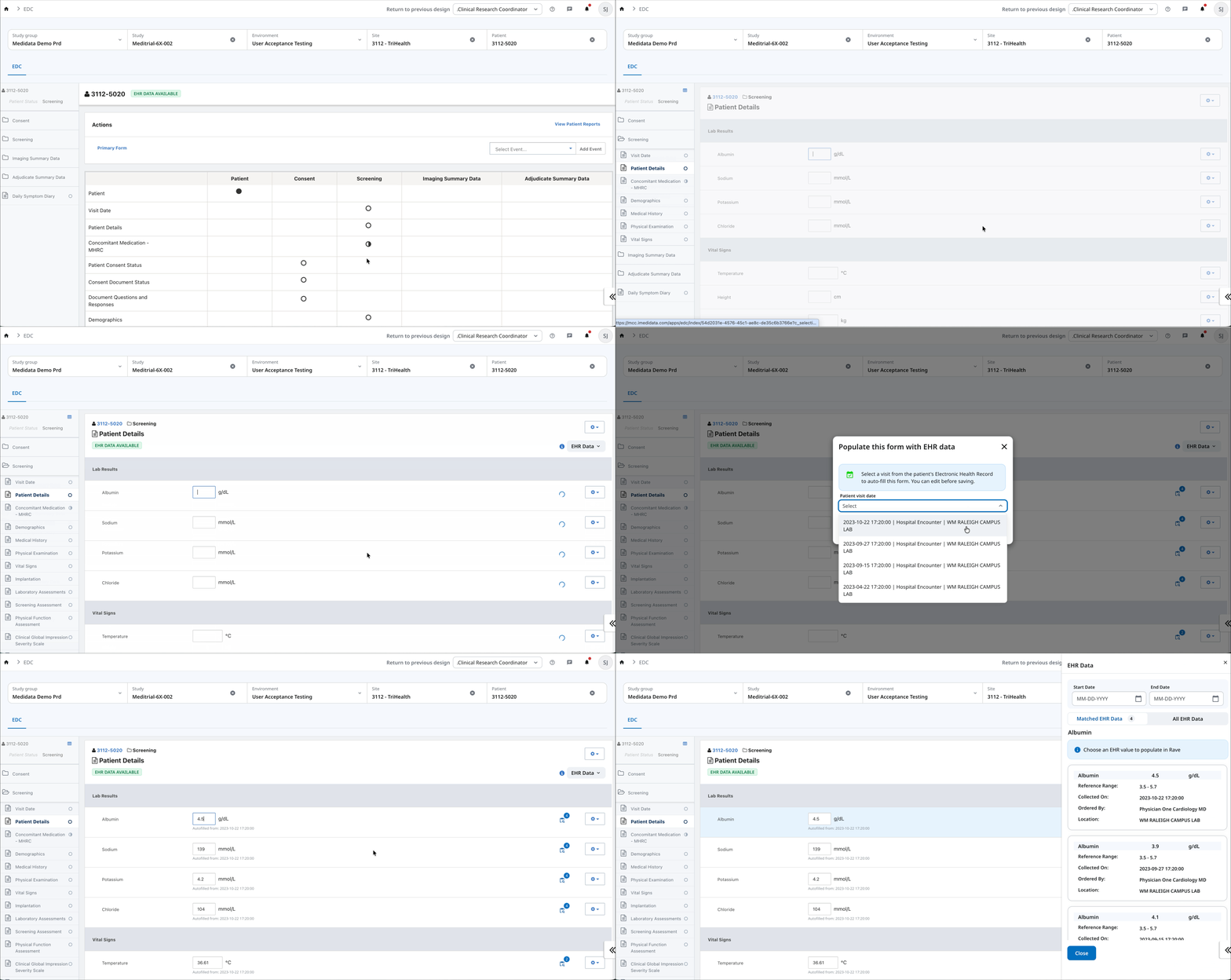
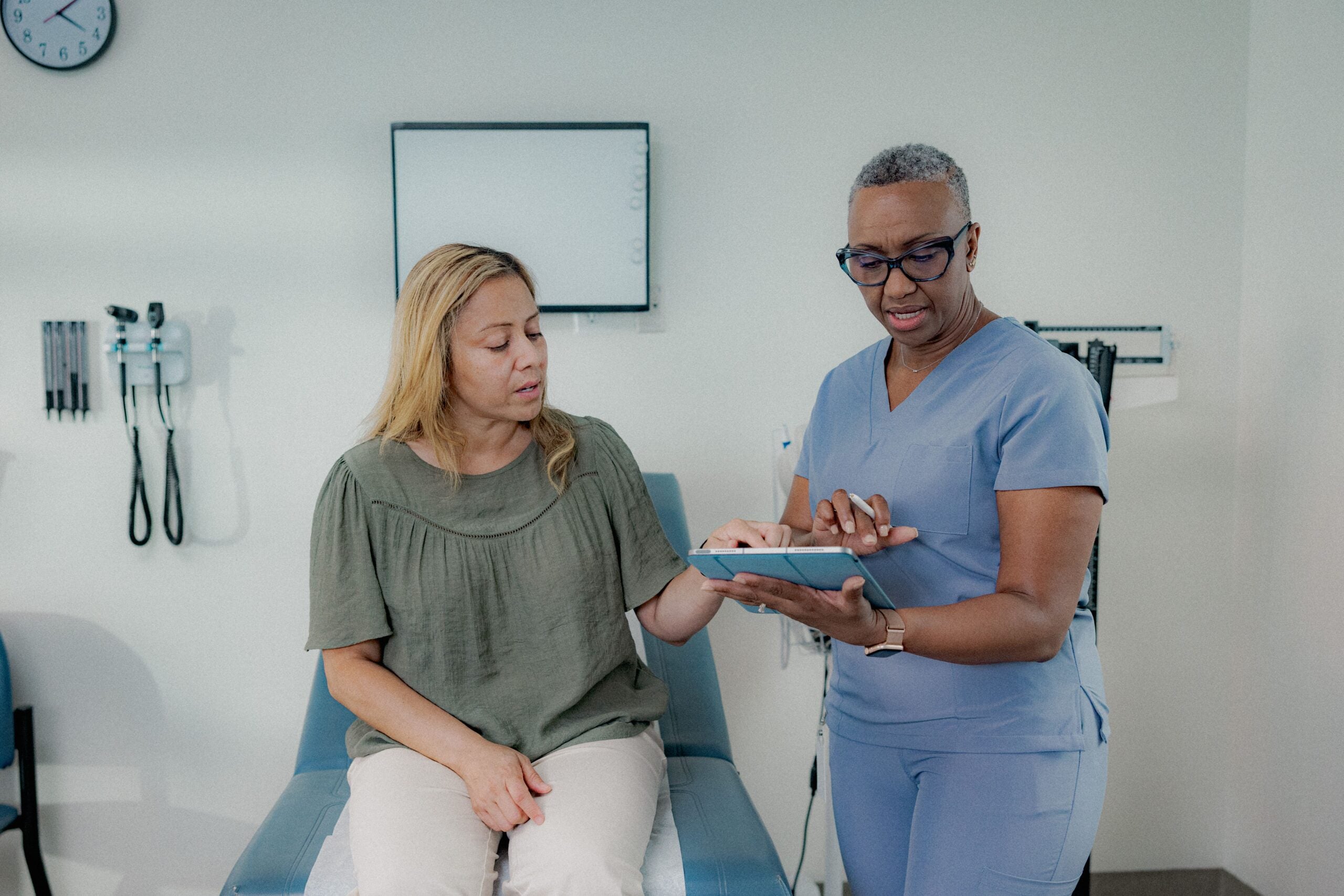
Video transcript: Sameer, building on the awesome mythbuster series that we did on health care data interoperability. Wanted to add this fireside chat to really zoom in on a couple key areas, you know, one being user experience and the second being access to data, what kind of data we have access to. You know, with Medidata's kind of paradigm shift to experiences, you know, the patient experience, the data experience, and the study experience. We also don't want to lose sight of zooming in on experiences around how sites use our technology and how healthcare data interoperability really fits in in general, which is something very, very important. I look at, as does metadata, always, look at healthcare data interoperability as something that just has to work. You shouldn't go to another place to use it. You shouldn't log in to yet another solution to leverage healthcare data interoperability. The experience around that needs to be seamless, you know, fitting directly in with exactly how sites are working. So share some of your perspective on experiences around health care data interoperability. Absolutely, Dan. I think, first off, you shouldn't build interoperability for interoperability's sake. It should accomplish your goal. And so it's important to build interoperability into the experiences and into the platform that users are already working at. It should empower their work, not not really change it per se, but make it better. Right? Make it more efficient. And in order to do that, you have to take a platform and experience centric approach. You need to think about how that's gonna fit within the existing users' workflows and not create more work for them. Right? No more additional point solutions, logins, right, different tools that they have to learn. It should be seamless for the user. Right? But they can start to gain the benefit of getting access to all this rich data that we can make available. Yeah. It's it's interesting. When I when we talk to people and I hear this every day and talking to sites as well as sponsors and CROs as well, it's we don't want yet another solution, yet another user interface to have to interact with. God forbid, yet another username and password or URL you have to go to. You know? So we look at EHR to EDC and the experience around that is how can we keep it simple for the sites? How can we let them work where they want to work? Whether if that's inside of Ray VDC, fantastic. If that's inside of Epic, let them work within Epic. But one experience, you know, we've seen some approaches where users log in to multiple things. They launch one app from their e EHR and then, you know, do some work there, then still have to come log in to the EDC. And to us, we want the experience to be one place. It's not one place you go to do everything that that you wanna do. The other cool thing about that is because we own the whole platform, now this gives us the unique opportunity to do some other cool things. You know, we can work with our EDC in a much more unique way than we could if we didn't own the old tech stack. We can work with our CTMS and other parts of the platform in a, you know, a unique way that traditionally you wouldn't be able to do. Talk a little bit about that from an experience perspective, some of the other things that we could do because we're part of the broader platform. Absolutely. So, you know, users aren't just just doing one thing, right, on our platform. They're doing a number of different things, and there's a number of different users that are doing things together, right, on a platform. I think it's really important to realize that. And so, you know, yes, users can leverage our technology now to make their data entry easier, right, to be more informed about the patient or make sure everyone that's working with the patient is more informed about the patient, making direct the the right decisions for that patient. But on top of that, sponsors can now look at which sites are, you know, leveraging our EHR solutions and make decisions about site monitoring based on that site selection, right, using our CTMS product. Sponsors can reduce their STV, right, because they know that these data are coming over electronically in some cases. Patients are on our platform. Right? We talk a lot about empowering the patient at Medidata. And and so now we can empower the patient with their own clinical data. Right? It's hard to build out patient registries and and help them make decisions about how they engage with with, you know, with with clinical trials and how they can use that as part for part of their treatment, you know, for for whatever they're going through. We can start building to your point. You mentioned Epic. Right? We can start building those experiences into the EHR as well so the user's staying in one location and not having to launch into multiple different solutions. Yeah. I think that's the key is meeting users where they wanna be. Exactly. You know, if you wanna work here, great. We're building an experience around, you know, that within the Ray platform. We're building an experience around site users that wanna work within their EHR. We're building an experience around patients who wanna interact with their EHR data directly in MyMedidata, which is our patient facing portal. Let's meet users where they wanna be, give them flexibility in their approach, give them flexibility in, you know, the the style of work and how they wanna work. But the key is one place to do everything, not logging into multiple systems and and. That's really the whole, you know, premise around EHR to EDC in the first place. You wanna eliminate the logging into ReadyVDC, going to look up data, coming back and typing it in, Going back to look it up, come back and typing in that swivel chair moment. So we also need to think about, you know, eliminating swivel chair moment even within solving the EHR to AVC problem. It's there's no sense having somebody log in to one, two, three, four different solutions just solve the problem. When we think about the flexibility and the meeting where users where they want to be, talk a little bit about what that means from an implementation perspective too because we're focused a lot on-site user experience, but we're also thinking a lot about IT experience within the hospitals. How hospital A wants us to connect to them and work is a lot different than hospital B. Hospital C, one hospital may want us to leverage FHIR. One hospital may want us to leverage CCDA type connectivity. Heck, some want us to create direct database connections or leverage older versions of HL7. At the end of the day, though, again, in the spirit of an experience, you want the IP experience to be, you know, seamless as well. So maybe talk a little bit about that. Well, Different types of connectivity. You know, you mentioned meeting users where they are. Right? And that's that's how we think about site connectivity as well, meeting the site where they are. And, you know, frankly, been doing interoperability, health care interoperability for a long time, and the one thing that I've learned is there's no one way. There's no one right answer. You know? And you have to build a platform that's flexible and that can work in the way that the site wants to work. And that makes interoperability and integration a whole lot easier, right, when you can build in that flexibility. So, yeah, FHIR is is amazing. Right? And it it truly is the future, and and it's something that we leverage on a daily basis. Right? Though so much of our work is FHIR based, but that's not the only way of getting to the data. Right? And so we have to be able to think about all the different ways that we can access data, bring those together, and then, you know, build an experience around that data so that the user can use it meaningfully to complete their work. Yeah. And it's not that one approach is better than the other, but having the flexibility and the variety and choice, you know, to present at sites and then being able to consult them on what the what we feel, hey. For this type of project, this is what we think is best. For this type of project, this is what we think is best. So just having that kind of collaboration with sites instead of, hey, we built it this way. This is how you have to do it. It is exactly right. Because there's times where fire's great. There's times where using CCDA are great. There's times where patient access and authorization to their data is great. You need to have a system that kind of presents all of those options and not forcing somebody into into one of them is what, know, we think is pretty important. Again, comes back to experience. How can you make the experience for site users the best possible? We think that we've nailed that with our flexibility of meeting them where they wanna be. We also think that we made the experience for IT a lot better. So now let's kind of move away from sites. You know, we went from sites to IT. Let's talk about the sponsors and ultimately what they want is the data. Yeah. You know, they want, you know, what what data can you access? You know, on day one, we we thought a lot about some of the low hanging fruit, vitals, lab results, things that, you know, were being filled out in CRS in large volume. And we've seen some lab CRS where it's, you know, forty, fifty different values that users are looking up and filling out that we have, you know, completely automated with a single click. And so that was low hanging fruit. But talking about some of the other types of data that we do get access to, lots of talk around this in the industry is, you know, it's just not the scalability in terms of who you can connect to, but the types of data that you can gain access to. And it's, you know, it's it's not just about moving for data from point a to point b. It's really being able to take that data and do something meaningful with it. Right? So, yeah, we have access or we can, you know, create access to a really large variety of data. Right? Not just labs and files, but you're talking meds and other things that are going you know, adverse events and just really what else is going on with the patient at that time and be able to bring it over in a way that can inform the entire team that's working around the patient to collaborate and make the best care decisions possible for that patient, right, on our platform. That's really that's moving beyond just transferring data from one place to another. Right? It's really empowering better decision making for the patient. Exactly. The patient treatment journey is different. When part of your treatment plan also includes a potential clinical trial, it's the level of collaboration and the level of keeping people aligned, keeping people informed that goes to a totally different level. Bridging that gap between healthcare collaboration, healthcare data and the clinical research side is something that's never been done. Again, patient treatment journeys are just so much different today than they were previously. A lot more sophistication to a lot of these paths. It's just super critical to keep everybody informed at every step in the process. That could be adverse events. That could just be how the patient's doing in general on a particular treatment and everything else in between. Is that correct? Yeah. Then again, we talked about experiences from the site. We talked about experiences from IT, experiences for the sponsors. Back on the data thing, the thing that I'm hearing a lot more questions about is STD. We're bringing in this data electronically. We were already trying to reduce our SDD. How can we think about it a little bit differently? And again, back to what you were saying earlier about being part of the platform, the other really cool thing that we can do is is like really track where data is coming from. The CRF could have fifty questions on who we know exactly which of those data points came from the EHR, which ones were manually typed in and so on. And we can provide that kind of transparency to update SDB strategies, what risk levels, different organizations you don't wanna take with with SDV. We can automate a lot of that stuff because we're part of one platform. Exactly. One experience, one platform. So it gives us a lot of lot of opportunity to do some pretty cool things. I'm glad we were able to get together. Thanks so much for the conversation. I want to do this more often because a lot of excitement around healthcare data interoperability. Some people narrow in on call it EHR to EDC. We love it. I know you love it. It's saying our customers love it and sites are begging for it. But with that excitement and that momentum starting to gain in our industry, there's still a lot of questions. There's lots of different approaches that people are doing and mocking one versus the other because they're all good. All of them are steps forward in automating this industry. With our focus on experience, we feel pretty confident in what we're doing from a scalability and experience perspective. Our customers are reacting very favorably to that. Let's keep these conversations going so we can update the industry on these important topics, what we're seeing, what we're hearing, and so on. Any closing thoughts for you? I mean, I think the cool opportunity that we have is to empower the entire experience, not just one part of it. And so that's what we're doing. And it it's it's been a pretty amazing journey so far. Looking forward to continuing it. So thank you for having me here. This has been my favorite topic. Right? So I love talking about it.