




Medidata Sensors

Clinical trials can’t rely on clinic snapshots alone to understand patient health.


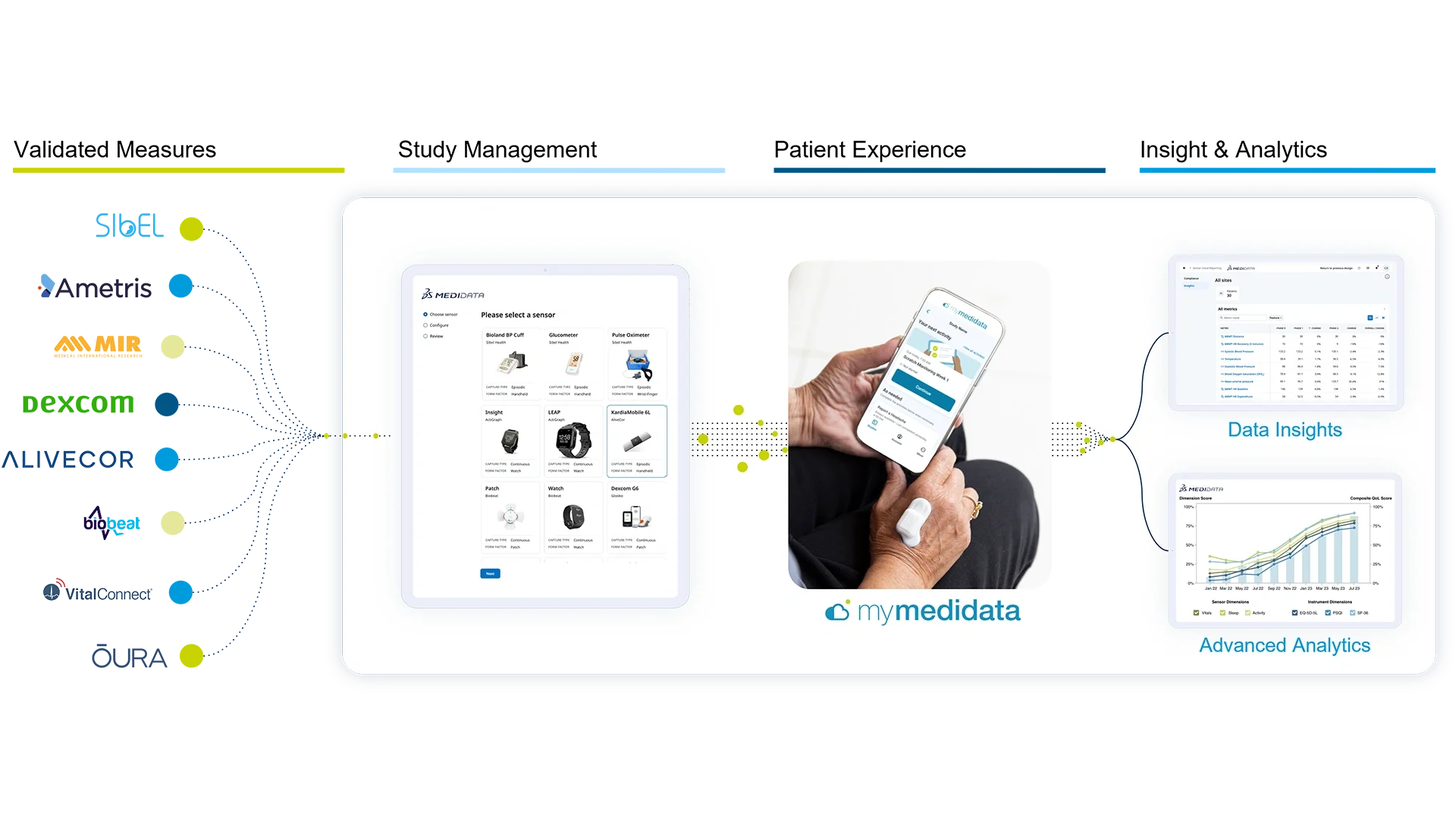
Medidata Sensors enables continuous, medical-grade data capture, combining objective digital measures with eCOA to understand how patients feel, function, and respond to treatment over time, without increasing participation burden.

View ROI Infographic
Video transcript: This is a body of data and a stream of information. Not everyone can see it, but you can. Transforming patient data into insights unlocks breakthroughs when accurate, timely decisions matter most. Yet clinical trials face mounting challenges like recruitment barriers, protocol adherence, and evolving regulations that delay progress. In fields like cardiology, where every heartbeat matters, or oncology, where patient survival depends on early intervention, overcoming these obstacles isn't just important, it's essential to improving patient outcomes. Sensors in MyMedidata elevates research and patient care by leveraging medical grade sensor data and advanced analytics. Actionable trends are uncovered in clinic or remotely to manage risks and optimize care pathways. Whether it's characterizing biomarkers like stride velocity or sleep efficiency to monitor disease progression with greater specificity or analyzing heart rate variability to assess cardiac function, sensors and wearable devices enable clinical leaders to access instant insights, to refine trial designs, accelerate timelines, and deliver results that improve patient lives. Combining the powers of objective data through sensors and subjective data through ECOA, we provide a more holistic view of patients of all ages and backgrounds, ensuring inclusivity across diverse populations. This is the power of connected, patient centered data. Welcome to Sensors and MyMedidata, where innovation meets expertise. Together, we're transforming research and elevating care for faster and more meaningful patient outcomes.

From Continuous Data to Endpoint-ready Evidence

Continuous data only creates value when it forms evidence, not just signals. Medidata Sensors brings objective digital measures and subjective eCOA together within the same study context, using validated algorithms to generate evidence as the study progresses. This approach supports digital endpoints that can be evaluated with greater confidence during the trial.

Enrich Scientific Evidence Generation
Objective and Patient-reported Data Aligned
Earlier Visibility into Emerging Issues
Shared Clinical Context across Study Teams
Low-code, No-code Sensor Study Configuration
Trial-grade Sensor Integrations

What Medidata Sensors Supports

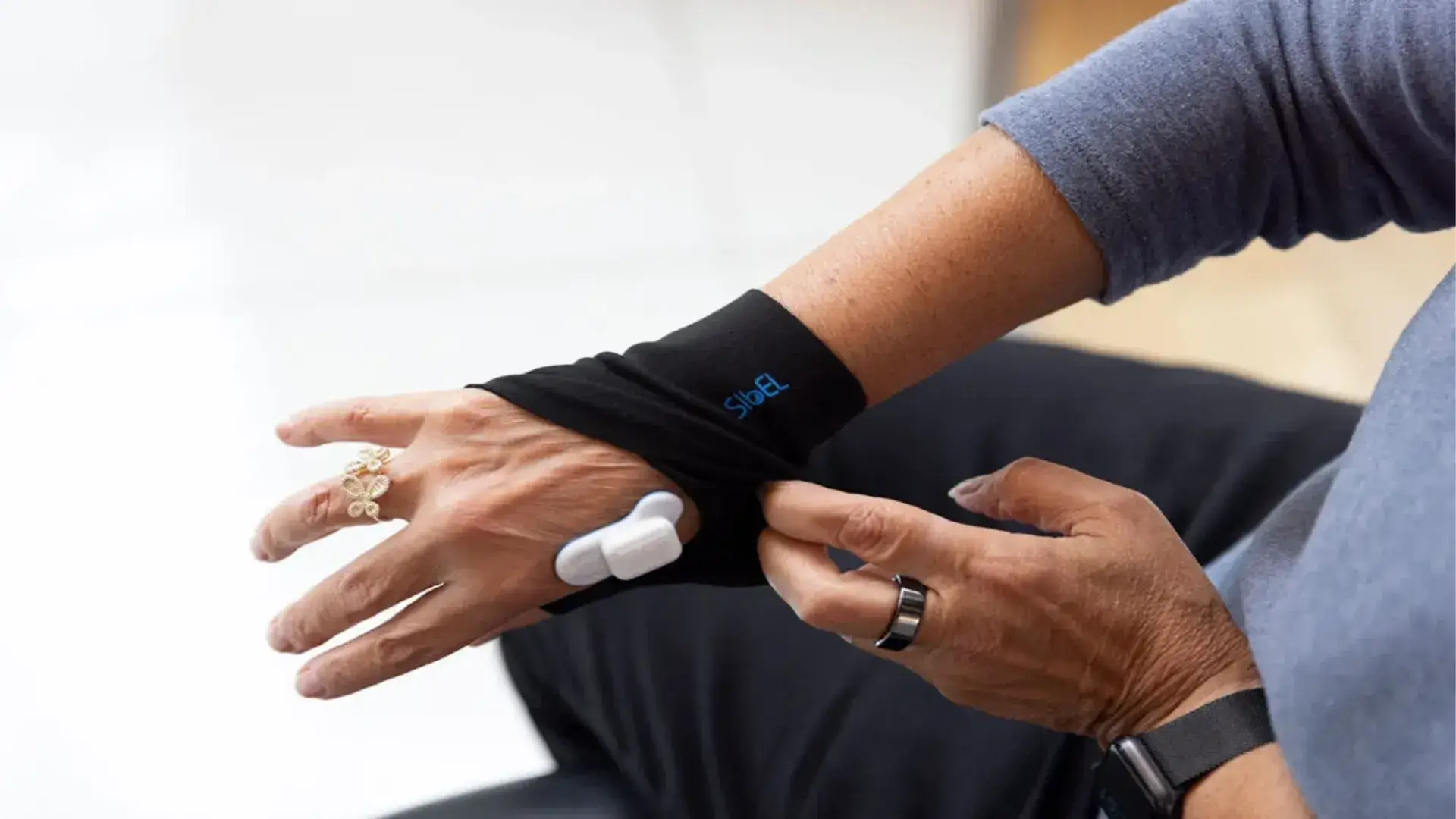
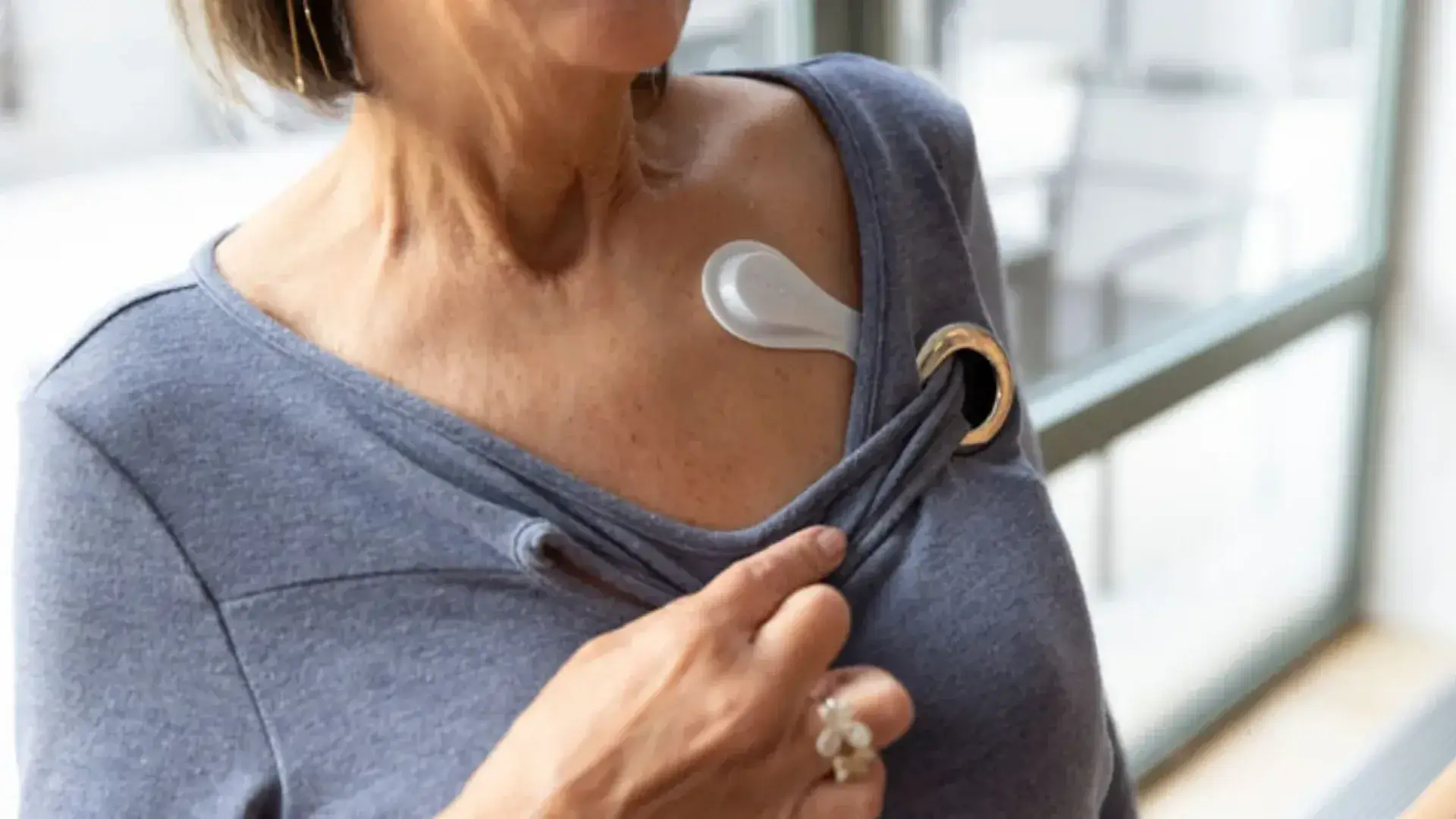
Medidata Sensors supports both continuous collection and episodic collection of a broad range of physiological and functional measures used in regulated clinical trials.

Vital Signs

Cardiac

Respiratory

Metabolic

Sleep

Snoring

Scratch

Cough

Electrodermal Activity

Falls

Activity

Mobility

Involuntary Movement

Upper Limb Mobility

Physical Functioning

FDA-cleared sensors

510(k) sensors supported

85+

validated sensor measures

Episodic + Continuous

data capture

Trial-grade

sensor integrations

The Evidence Approach in Practice

Sponsors

Endpoint Confidence

Stop guessing at endpoint decisions. Combine objective digital measures with subjective patient reports, using validated algorithms to generate richer evidence as the study progresses.

Surface meaningful change earlier, reduce late-stage surprises, and evaluate digital endpoints with greater confidence during the trial.
Download Fact Sheet

Featured Resource


At-home Six-minute Walk Test

Discover a real-world example of how medical-grade sensors enable at-home functional capacity assessments while generating trial-ready cardiac and motion data.
Video transcript: Our mission in SensorCloud is to be able to monitor patients in the comfort of their own home. In pulmonary hypertension, the six minute walk test is a extremely important component of the risk assessment. If your heart is not working, your motor's not working, you're not going to go as far. In this standard assessment, you're leaving a lot of information on the table that can easily be collected by putting a sensor on. It became clear that this type of technology could measure some of those motion variables. And we came up with the digital biomarker, which we call cardiac effort. The number of heartbeats used during the six minute walk divided by the walk distance. Bringing together cardiac and motion really enables us to understand physiology. And so by incorporating heart rate, we're really able to see was there a change in their physiology that goes along with the change in their walk distance. When we found a lot of success looking at measurements from the cardiac signal, we started to bring this type of assessment into the home. Patients were excited to do it. They feel like doing this is a part of their care. I can send a patient home with a small device with a very simple set of instructions. One of the nice things about this study is the patient interface with the app. The phone has all the instructions for how to do the assessment and tips on how to set up their course. It really is as simple as just putting the heart rate device on, opening the app, and just following the prompts. Having the power of metadata will allow us to really analyze our ongoing study data. We have proprietary algorithms, and we understand biomechanics really well. Now you can have multiple home checks to really see how patients are changing and responding to drugs. This work is very important, not only to medicine, but to the whole digital health industry.
Video thumbnail

More Resources


Explore deeper guidance and related materials.

View All Resources

FAQ

Yes. The platform provides a unified experience that allows for the collection of objective sensor data alongside subjective eCOA data. Clinicians and study managers can access advanced analytics that combine these datasets to generate complete patient views and meaningful trends.

Medidata Sensors supports over 85 validated measures and algorithms across both episodic and continuous sensors. The solution utilizes FDA-cleared 510(k) sensors for targeted therapeutic areas and features rigorously tested integrations with secure data flows.

The solution supports passive and at-home data collection, offering patients unobtrusive options for capturing sensor data directly through the intuitive myMedidata mobile app. This capability extends to complex assessments, such as the six-minute walk test, which can now be completed by patients from home rather than requiring a clinic visit.

No. Medidata Sensors utilizes Medidata Designer for low-code/no-code sensor study configuration. This streamlined approach includes clear sensor instructions and dashboard tools for patient management, allowing sponsors to achieve the value of sensor data without operational hassle.

Yes. Medidata offers a variety of training options for our clients and partners, including both self-paced and instructor-led courses. To learn more about available courses and to access our resources, please visit the Medidata Global Education and Training section.