Transforming Clinical Research with AI – Insights from NEXT New York 2026
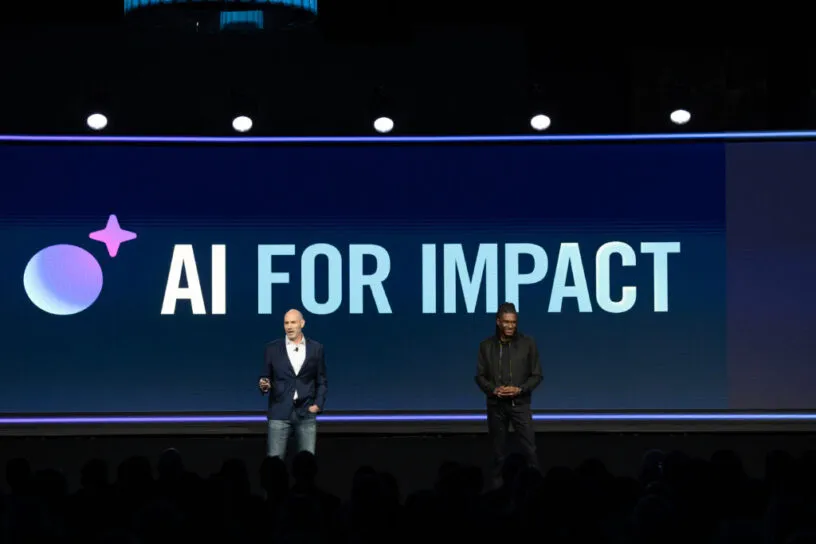
Think about where clinical research stands today: roughly 1-in-10 trials actually succeed. The dream that drives our entire industry is figuring out how to build a future where 1-in-10 becomes 4-out-of-5 to get life-saving treatments to patients faster.
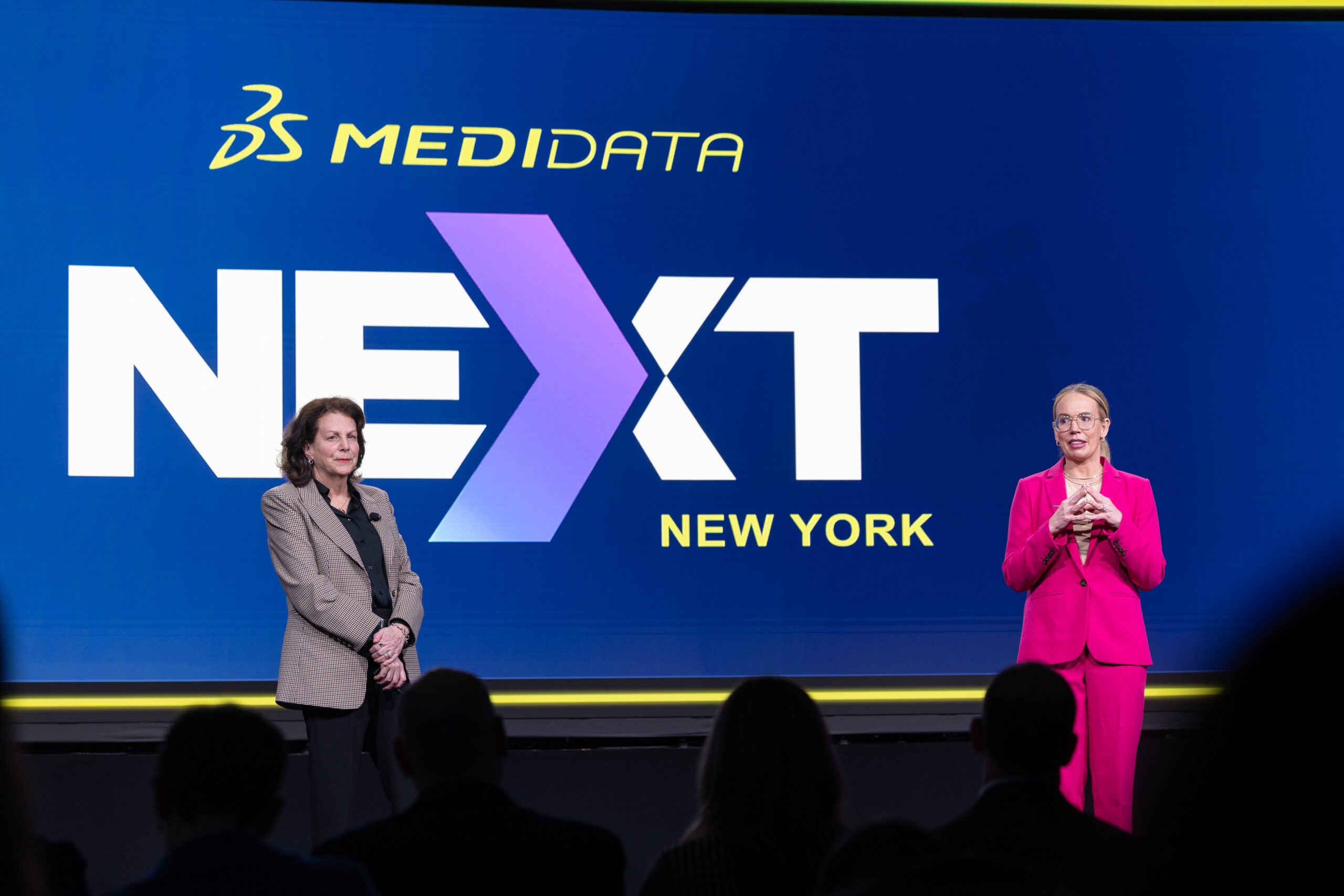
This was the north star for 1,000+ life sciences leaders who gathered at Medidata NEXT New York 2026. The answer lies in embracing AI—specifically moving past the hype and scaling AI-powered solutions that deliver tangible impact across the clinical research ecosystem and beyond.
“We have a huge opportunity with AI to finally accelerate the way we do things in this industry, beyond anything we've ever dreamed of before.”
– Anthony Costello, CEO, Medidata, Dassault Systèmes

Entering a New Era
For decades, we’ve tolerated siloed workflows, fragmented data, and overwhelmed sites as the unavoidable cost of doing business. But conversations at NEXT New York made one thing clear: that era is ending quickly due to AI. In a recent industry survey, over 70% of AI users reported gains in protocol design, 61% reported streamlined data collection, and nearly 50% saw improved site selection.
AI is clearly here to stay. And as industry analysts noted on stage, clinical leaders are no longer seeking standalone AI features; they're asking tougher questions about how to scale this technology, establish proper guardrails, and achieve tangible ROI—whether it’s improving the probability of technical success, reducing time to market, or cutting costs.
To see the day where studies reach a higher success rate, the industry must embrace the shift to unified clinical intelligence—including AI companions that work alongside teams to bridge siloes and deliver new levels of insight, speed, and control across the entire trial lifecycle.
Simulating Study Design & Operations
Teams now have advanced modeling and simulation tools at their fingertips to optimize study designs and predict outcomes for greater success. This approach empowers teams to transition from static guesswork to proactively stress-testing operational strategies, protocols, and budgets before enrolling the first patient.
AI-powered solutions turn a static protocol into an agile asset by uniting activity-based modeling for budgeting and enrollment timelines with site-level feasibility data— limiting risk and helping deliver smarter, more predictable trials. Ultimately, AI can speed up studies by seamlessly bridging design intelligence with operations.
Connecting the Clinical Data Lifecycle
Organizations are tired of hitting tech walls. Flashy tools mean nothing if your data management workflows still take months to complete. As industry leaders are currently stressing, timelines like these will no longer cut it in the AI age.
“What we can’t do is take 16 weeks to build a database…we can’t take 4 to 6 weeks to lock the database. That's another reason why we’re partnering with Medidata.”
– Carmen Stiles, SVP, Global Clinical Analytics, Caidya
Moving faster means breaking down the walls that separate systems and shifting to connected data capabilities—where there’s greater potential to embed AI to maximize efficiency and drive insights. This requires understanding the necessity of a unified platform architecture to confidently scale AI initiatives with control, reduce vendor complexity across global trials, and ensure interoperability with other systems.
This type of connected ecosystem links every stage of the clinical data lifecycle. Built-in AI simplifies workflows, improves data quality, and also addresses the industry need for a cross-functional solution for data review, central monitoring, medical review, and risk-based quality management.
Easing Friction for Patients & Sites
The complexity of modern protocols can create huge logistical and financial barriers. If we want to move past clinical trials feeling like a chore, we must improve the trial experience for the ones participating: patients and sites.
Seamless payments, integrated travel coordination, and emerging concierge services are enhancing the patient experience and improving access to research. Beyond logistics, end-to-end capabilities are making it easier for patients to be engaged and stay engaged while removing barriers to adoption.
For site staff, embedded AI can provide relief from administrative fatigue by cutting down on manual data re-entry, providing a single view of comprehensive patient activity, and delivering real-time insights that surface compliance issues faster.
Solutions like these are creating a more supportive environment for patients and sites alike, enhancing the trial experience and boosting recruitment and retention.
Powering the Life Sciences Ecosystem
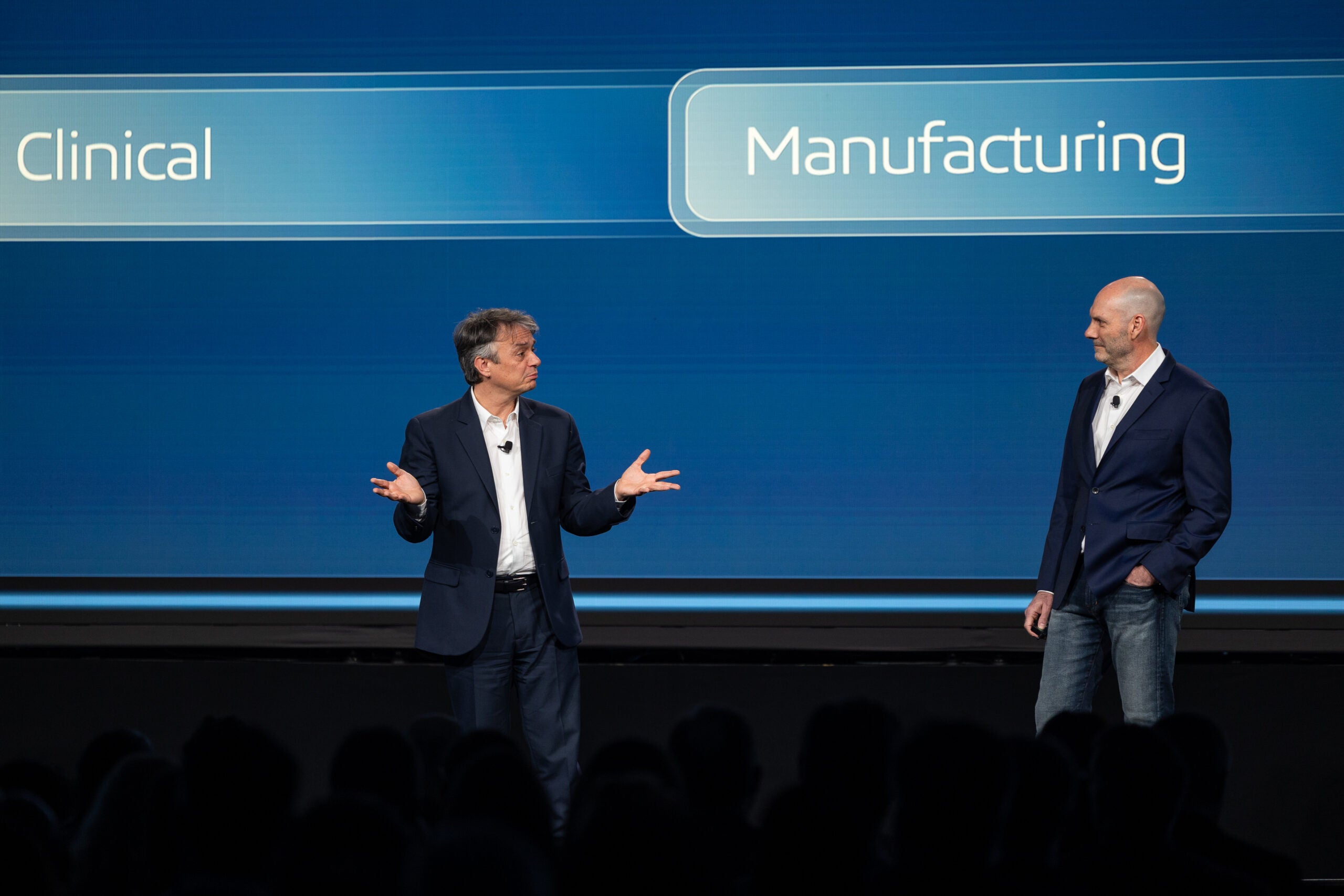
Clinical research is one part of the larger, interconnected value chain that starts in the lab and ends with the patient. To overcome traditional bottlenecks throughout the entire life sciences lifecycle, organizations can use AI-based virtual companions engineered to break down silos and help teams work more efficiently. The industry can also leverage Virtual Twins to bridge the virtual and physical worlds from early discovery and development all the way through manufacturing.
This unified approach of orchestrated intelligence lets data flow seamlessly to inform research and production decisions in real time—representing a shift from bold vision to practical solutions to accelerate innovation across life sciences.
Speeding Time-to-value Through Partnerships
Industry analysts emphasize that a successful AI strategy depends on the strength of an organization’s surrounding ecosystem of technology and service partners. These relationships are critical to unifying vast amounts of disparate data for smarter, faster decision-making.
“The clinical development process involves so many different parties…it's important to have a strong ecosystem to be able to bring together all the data, to have common standards…to ensure that there is complete, end-to-end visibility across the lifecycle of clinical development.”
– Amardeep Modi, Vice President, Everest Group
Leveraging an established infrastructure lets teams turn data into actionable evidence immediately rather than waiting to develop tools internally. The right tech partnership can transform AI complexity into a distinct competitive advantage.

Empowering the People Behind the Process
The ultimate benefit of embedding AI is to elevate the people using the tools to work smarter and more efficiently. But the biggest mistake you can make with adoption isn't about the technology itself—it's ignoring change management. Success with AI requires taking steps to empower users to safely experience these tools and build genuine trust in them.
If we embrace responsible AI across clinical trials and focus on the people using it every day, we can turn a 1-in-10 success rate into something greater. As 1,000+ attendees saw firsthand at NEXT New York 2026: the solutions are here. And the industry has the collective experience and leadership to make it a reality.
Patients are waiting for us. It's time to get to work.
Contact Us