





Powering
Smarter Treatments and Healthier People
Managing clinical research demands more than disconnected systems; it requires an intelligent platform that synchronizes your study, patient, and data workflows.
With Dot, our AI companion and trial orchestrator, you can navigate complexity and automate workflows to accelerate life-changing treatments.
Webinar – 'From Pilots to Practice: Scaling AI Across Clinical Trials.’ Don’t miss our expert discussion with Worldwide Clinical Trials.
Why Medidata
Explore the Medidata Platform
Chosen Technology
of FDA novel drug
approvals used Medidata
TRUSTED IN
clinical trials
AI FOR IMPACT BUILT ON
data points annually
ENGAGED
patients
Every Workflow. Three Connected Experiences
Discover the Medidata Experiences

Study
Experience
How can you simulate outcomes to design and execute with confidence across the study lifecycle?

Patient
Experience
How can you increase participation and collaboration across every single trial stage?

Data
Experience
How can AI automate and connect your data workflows while ensuring strict quality?
Real Impact across Every Role
Data
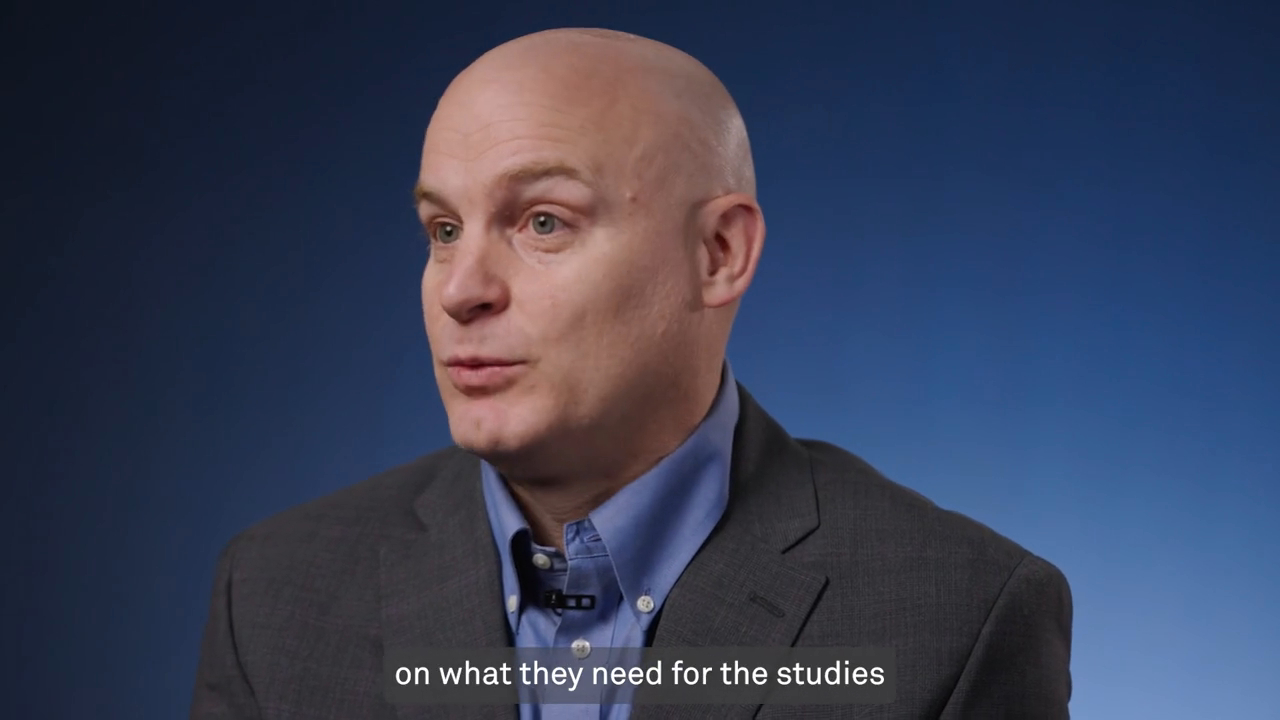
ICON Accelerates Decision-Making with Real-Time, Unified Data Review
We chose [Clinical Data Studio] as our single data platform for ALL of our cross-functional review. From traditional data management, to central monitoring, and our medical review all in one platform. Because we have to be efficient and we have to be fast. We need to perform real-time data review early in the study to be able to get those insights to be able to help our sponsors make go/no-go decisions as needed.
Evan Hughes
VP Data Management

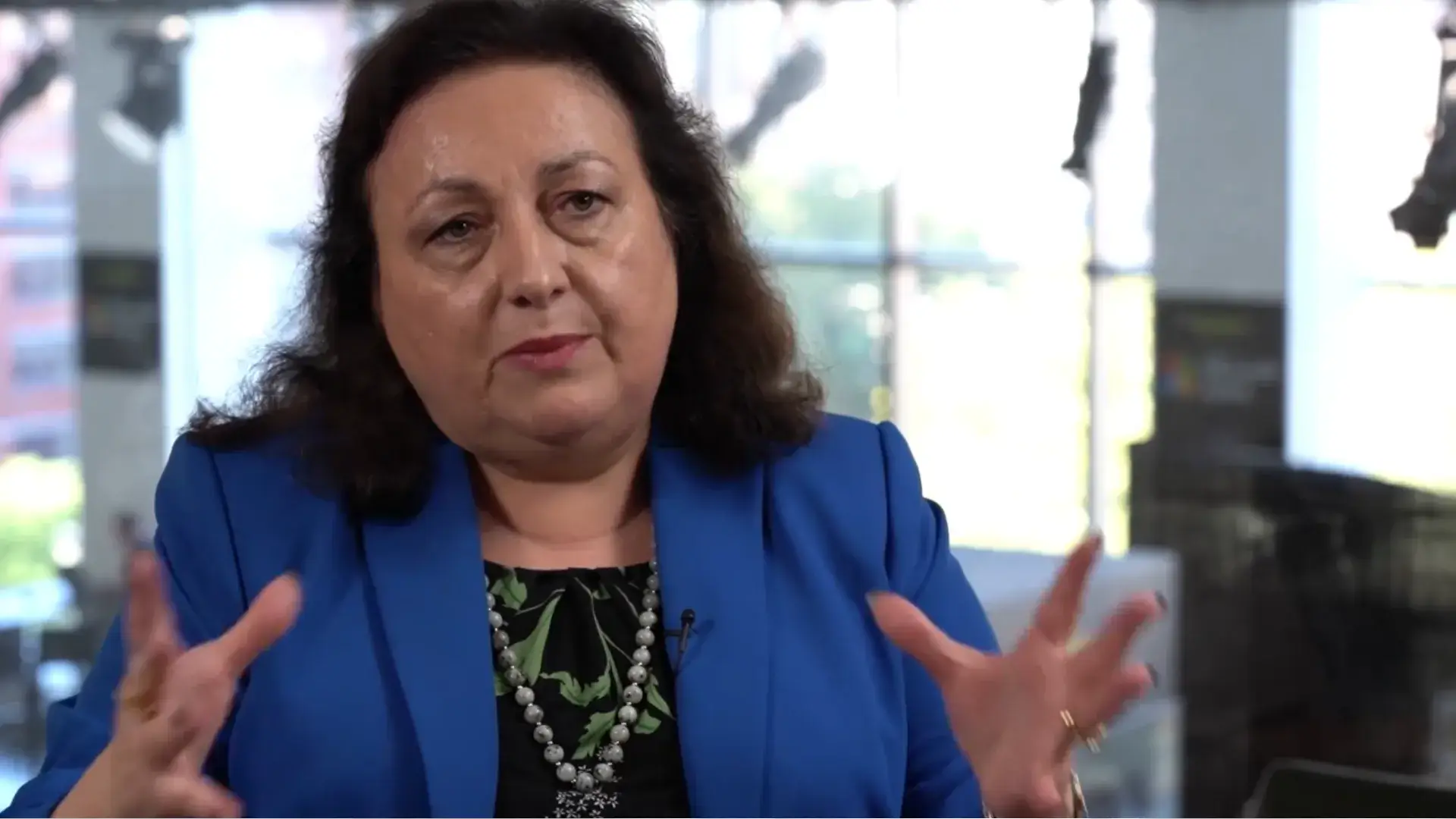

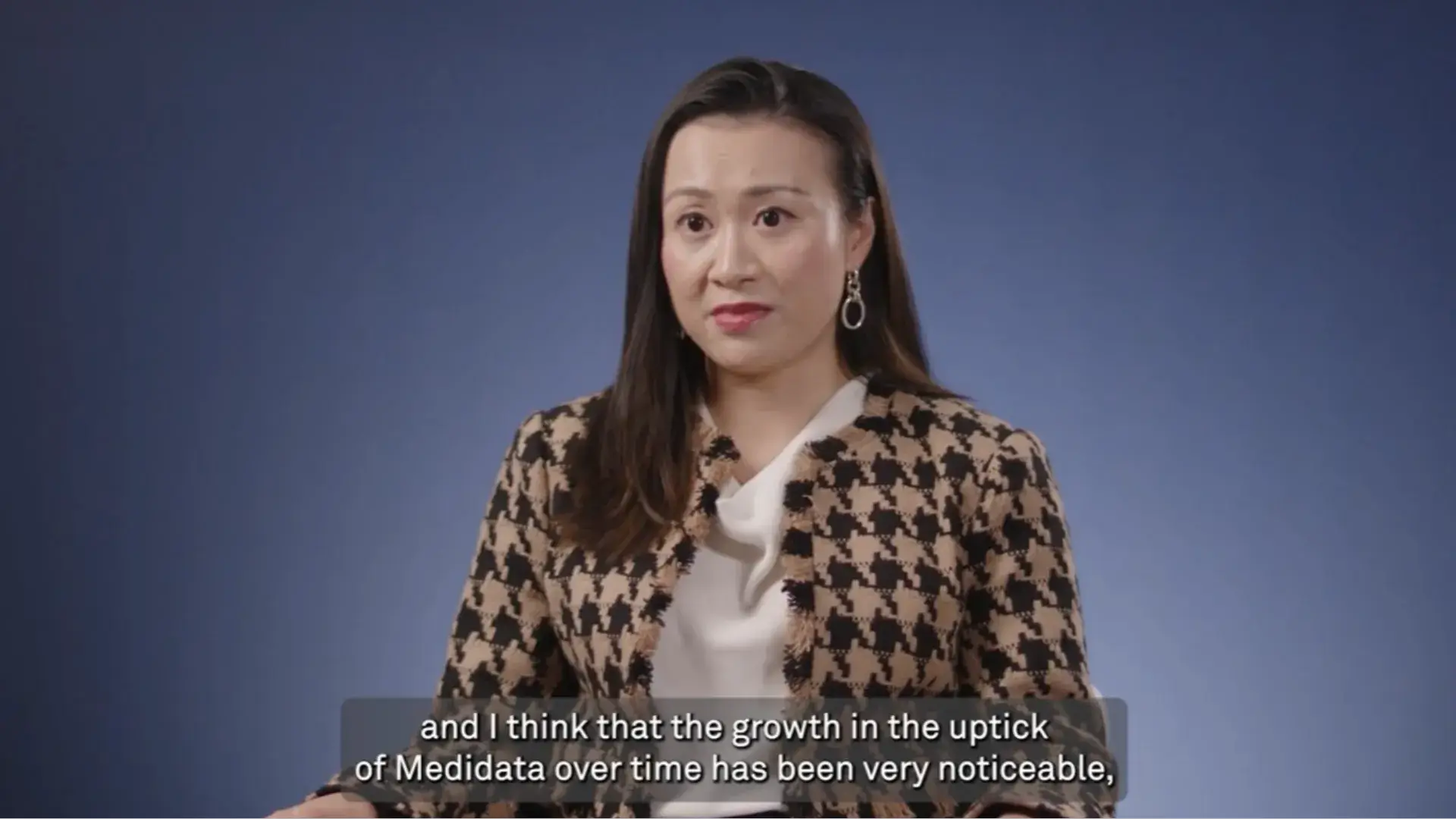








Nordic Bioscience Streamlines Monitoring with Rave TSDV

SDV with risk based monitoring
Global CRO Achieves Study Setup in Just Four to Six Weeks

slashed from “go-live” times
Mid-sized Sponsor Increased Site Count by 50% in a Rare Disease Clinical Trial

increase in site count in a rare disease trial